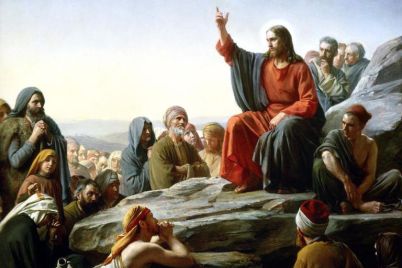
 In the gospel of St. Matthew we find Jesus’ famous “Sermon on the Mount” in chapters 5-7. One can think of these chapters as a handbook for living the Christian life. For in them we are told things such as “blessed are they who hunger and thirst for righteousness, for they will be satisfied” (Mt 5:6), and “love your enemies, and pray for those that persecute you” (Mt 5:44). This sermon given by our Lord is a blueprint for how to live a life of holiness. Living a holy life is not something that only the apostles or saints, or even only bishops and priests can do. Living a holy life is something we are all universally called to do, and gospels, and particularly the Sermon on the Mount, is our handbook.
Many people fall into the trap of minimalism when it comes to living out the Christian life. This error appears in many different forms. To some they believe as long as they are generally nice to people and donate to the red cross by texting during the Super Bowl, they think they should go to heaven. Others think it is going to church a few times a year, raising a nice family, and working hard every day. Taking it a step further, some think that if they go to Mass every Sunday and Holy Day of Obligation, go to confession, and tithe that they have nothing more to do. This is not enough, for Christ says to us: “So be perfect, just as your heavenly Father is perfect” (Mt 5:48). Catholicism is not a religion of the bare minimum. We are called to a life of holiness. We are called to be saints. We are called to be perfect as our heavenly father is perfect.
Now before anyone says that is impossible, I want to tell you the story of a young man from the middle east. He grew up in a small, humble town of no importance. He made a modest living as a carpenter and was engaged to be married. Now the man I am talking about is, of course, Saint Joseph, the foster father of our Lord, and patron of the Universal Church. He was an ordinary man who answered the call to holiness. He not only helped raise the child Jesus but took care of the Holy Family. He protected them from danger, as we know from the story of the flight to Egypt. Just think for a second, on how hard that must have been. They took this journey from Palestine to Egypt on foot, with a newborn baby. I know the parents reading this can testify how traveling with a little child can be. Be he did it out of obedience to God. St Joseph and all the saints are examples of how ordinary men and women have lived out the call to holiness.
Again, this call to holiness is not something only for a select few, it is for all Christians. I know this task is hard, but remember we are nourished and given the strength necessary for this task through graces we receive in the sacraments. Do not be discouraged when we fail and fall in the attempt to live out this calling. Just pick yourself up, go to confession, and keep moving along. Never forget the unending mercy of God is always available to us in this sacrament. St. Paul says in his letter to the Galatians “it is no longer I who live, but Christ who lives in me” (Gal 2:20). We must nourish our lives with the grace that is found sacraments for in order for our lives to be holy, that must be sacramental. This means making a regular confession, receiving our Lord in holy communion, and when necessary, the sacrament of the sick. The Second Vatican Council echoes this in Lumen Gentium “The followers of Christ are called by God, not because of their works, but according to His own purpose and grace. They are justified in the Lord Jesus…In this way they are really made holy” (LG 40).
This universal call to holiness is not something we can achieve in isolation. As a good and holy priest that taught me would say: “now remember, we are in this together.” We should pray for our families, friends, and for our fellow parishioners. For we must seek to answer this call together as the Body Christ. We are called to “follow the poor Christ, the humble and cross-bearing Christ in order to be worthy of being sharers in His glory” (LG 41).
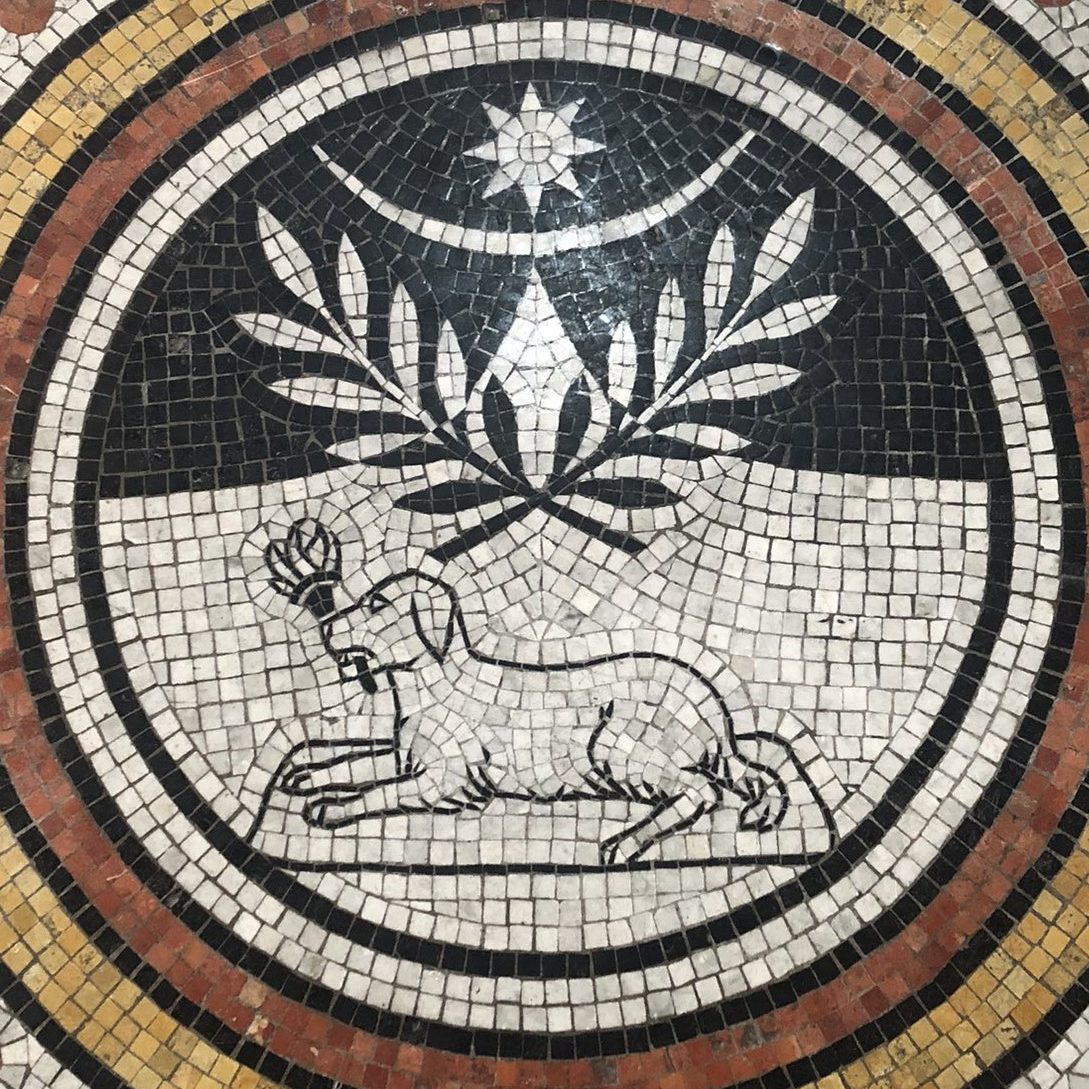
 Hound of the Lord